Influencer Marketing
Influencer marketing has become the most effective tool for promoting beauty products. And that is no coincidence: consumers trust recommendations from real people more than traditional advertising.
The beauty sector is naturally visual and experiential. Influencers can demonstrate in real time how a product works, showing authentic results that no traditional advert can match. Their followers trust their recommendations because they feel like advice from a friend rather than advertising. You can also target with real precision: from influencers who specialise in sensitive skin to make-up experts for mature skin.
The Two Types of Collaboration That Work Best
There are several types of influencer, and to get the most out of your marketing strategy it is important to understand what each one has to offer.
Micro-influencers: the most cost-effective option
With audiences of 10K to 100K followers, these creators offer the best engagement rate on the market (up to 18% compared with 4% for mega-influencers). They are more affordable, and their audiences are more engaged because they feel a genuine connection with the influencer.
Macro-influencers: for large-scale impact
When you need reach for a major launch or want to start a trend, macro-influencers (500K to 1M followers) are your best option. They already have established credibility in the beauty sector and a real ability to influence purchasing decisions.
Optimise Your Product Descriptions
An effective description can be the difference between a sale and an abandoned basket on your website. Beauty customers need clear answers to one fundamental question: “Will this product work for me?”
Key Elements of a Description That Sells:
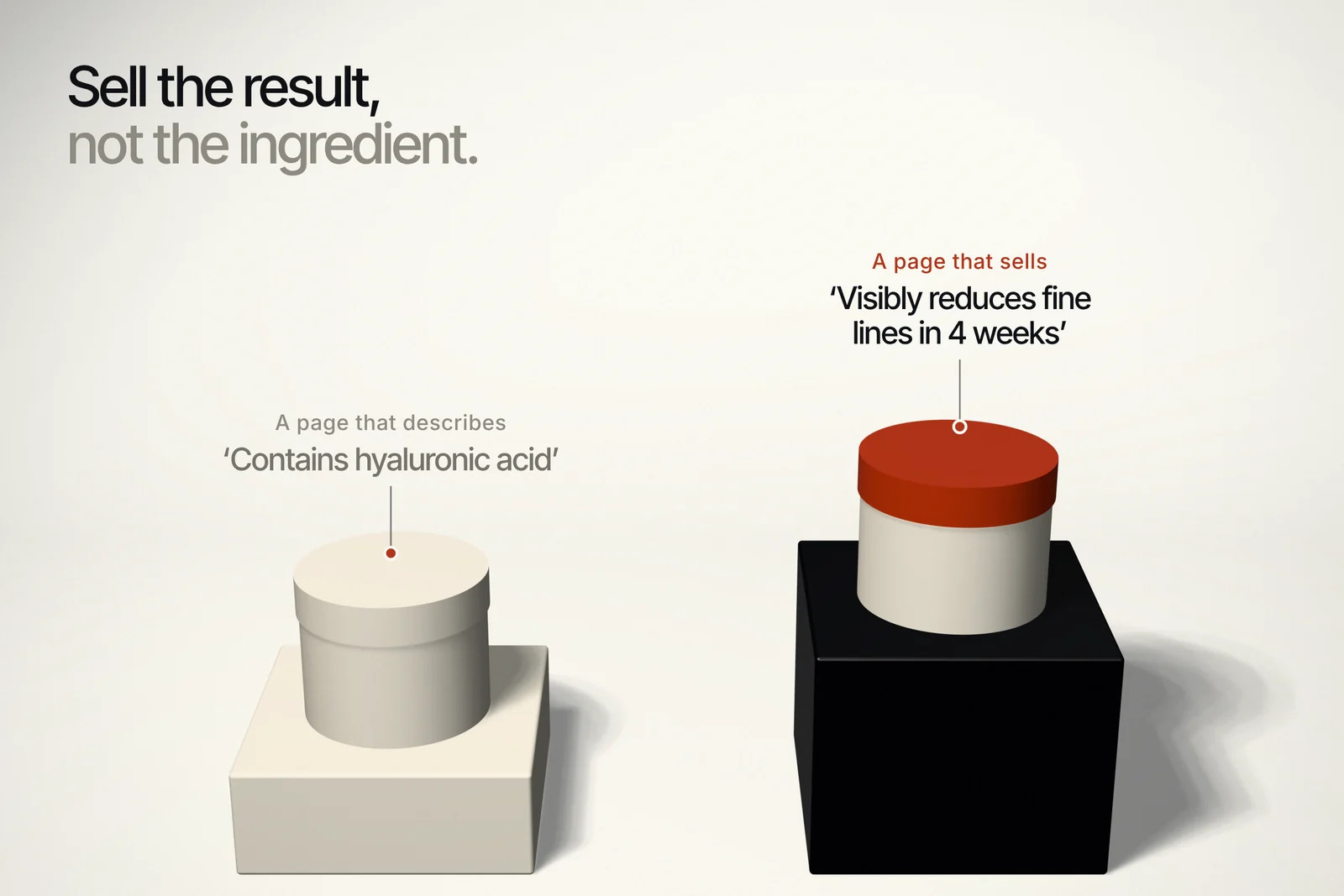
Focus on results, not features:
- Instead of: “Contains hyaluronic acid”
- Better: “Visibly reduces fine lines in 4 weeks”
Include the full ingredient list:
- It builds trust and transparency
- It allows customers with allergies to make informed decisions
- Highlight natural ingredients if they are part of your value proposition
Add social proof:
- Testimonials from real customers
- Results from clinical studies
- Documented before-and-after results
Make the Most of Social Media with Engaging Content
Social media is the perfect shop window for beauty products. Each platform has its own language and unique opportunities.
Instagram Is Still the King of Beauty
Instagram is where beauty trends are born and die. Stories with polls and questions increase interaction naturally, while transformation Reels are the content that goes viral most often.
Don’t forget the power of user-generated content: reposting photos of real customers using your products builds more trust than any professional campaign.
TikTok: Where Authenticity Rules
TikTok has transformed how beauty brands communicate. Here, users value honesty over perfection. Join popular beauty trends and create educational 15-to-30-second content that solves specific problems.
The key on TikTok is to be genuine: users immediately notice when something feels too “advertorial”.
YouTube: Your Permanent Beauty Library
YouTube is where you build long-term authority. Detailed tutorials showing step by step how to use each product, honest comparative reviews against competitors, and complete morning and evening routines are content that keeps generating value for months.
It is the perfect platform to position yourself as an expert and build lasting trust with your audience.
Personalisation
In a sector where the options seem endless, true differentiation no longer lies solely in product quality, but in the ability to adapt to each consumer. Today’s beauty shoppers are not looking for generic solutions but for unique experiences that respond to their specific needs: from a cream designed for their skin type to routines adjusted to their lifestyle.
Personalisation has stopped being an exclusive luxury and become a basic expectation of the modern customer. Brands that understand this shift not only build trust and loyalty, but also create stronger emotional bonds, turning every purchase into a meaningful experience.
Smart Questionnaires That Create the Perfect Routine
Set up questionnaires on your website that identify skin type (oily, dry, combination, sensitive) and specific concerns such as acne, dark spots or wrinkles. But don’t stop there: also ask about their current routine and their texture or fragrance preferences. This information allows you to create precise recommendations that genuinely solve their specific problems.
Artificial Intelligence as a Personal Adviser
Recommendation algorithms have come a long way. They can now suggest products based on a customer’s complete profile, create personalised bundles that complement their routine and even send automatic reminders when a product is running out. It is like having a personal beauty adviser working 24/7.
Packaging That Creates an Emotional Connection
Personalising packaging goes beyond putting a name on the product. You can offer specific shades mixed for each customer or include personalised messages that resonate with their beauty goals. This level of personalisation turns a routine purchase into a memorable experience that generates real loyalty.
SEO for Beauty Products
Many beauty brands underestimate the power of SEO. Yet millions of people search for beauty-related terms every day, and if you don’t appear in those results, you are constantly losing potential customers.
The Keywords That Really Generate Sales
There are two types of search you need to master. Informational searches such as “how to choose an anti-wrinkle cream” or “benefits of hyaluronic acid” attract users in the research phase whom you can educate and convert. Commercial searches such as “best vitamin C serum” or “acne cream solution” capture users who are ready to buy.
The key is to create content that responds specifically to these searches, positioning yourself as the authority that resolves their doubts.
Your SEO Content Strategy Should Include Four Pillars
- A blog that solves real problems for your potential customers
- Detailed step-by-step guides for different routines that become reference resources
- Educational ingredient reviews that explain what each component does and why it works
- Complete image optimisation with descriptive alt text that helps your products appear in visual searches
Email Marketing
Despite being “traditional”, email marketing remains the channel with the best return on investment in beauty. The reason is simple: it is the only channel you truly own and where you can build deep relationships with your customers.
Automated Sequences That Convert While You Sleep
- The perfect welcome sequence combines education with subtle selling. Start with a first-purchase discount, continue by telling your brand story, offer a product guide for beginners, include real testimonials that build trust, and finish with an exclusive offer with genuine urgency.
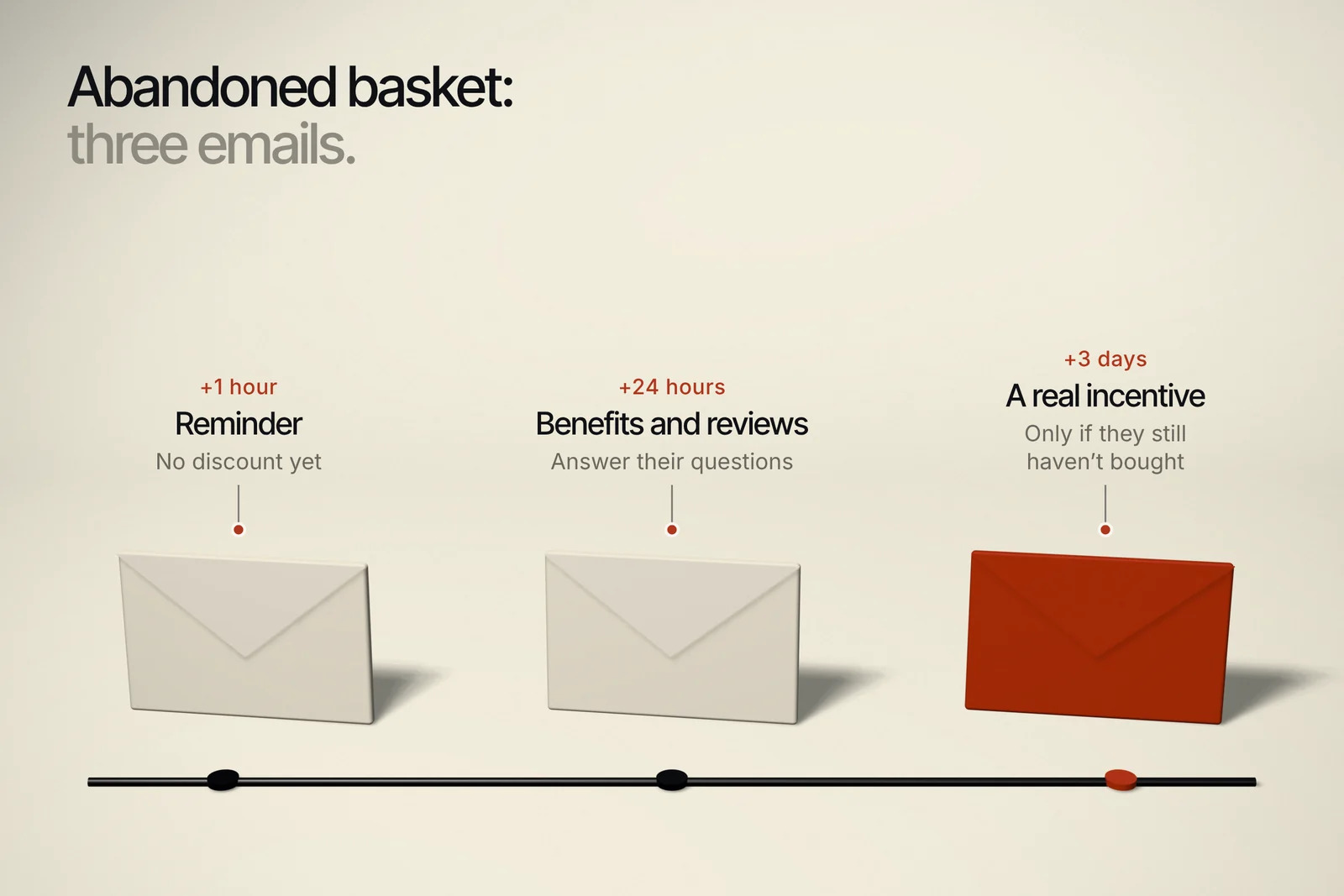
- Recover abandoned baskets intelligently. The first email (sent after 1 hour) is a simple reminder. The second (24 hours later) includes product benefits and social reviews. The third (3 days) offers a special incentive with real scarcity.
- Post-purchase follow-up is where you really build loyalty. Send a confirmation with a detailed usage guide, follow up on results after 2 to 4 weeks, invite customers to leave reviews with small incentives, and recommend complementary products based on their purchase.
Strategic Partnerships
Smart partnerships can expose you to entirely new audiences without major advertising investment. It is growth marketing in its purest form.
Partnerships That Really Move the Needle
- Cross-marketing between complementary brands is an effective strategy because it allows you to share audiences without competing directly. Both brands add value: a make-up brand can collaborate naturally with a skincare brand, a haircare brand with accessories, or a fragrance brand with jewellery, creating joint experiences that enrich the consumer and multiply the reach of both. Both brands gain exposure without cannibalising sales.
- Partnerships with professionals give you instant credibility. Working with dermatologists for skincare products, professional make-up artists for cosmetics or stylists for haircare not only amplifies your reach but adds the endorsement of recognised experts.
- Events and pop-ups create memorable experiences that no digital advert can replicate. From local beauty fairs to collaborations with beauty salons or workshops in multi-brand shops, they are all opportunities to touch, try and convince in person.