
This happens because a successful campaign relies not only on creativity, but also on planning, monitoring and well-defined objectives. When any of those elements fails, results tend to fall short of expectations. In this article, we look at the main reasons why influencer campaigns fail and what to do to avoid them.
Failing to Define Your Target Audience
One of the most common mistakes in an influencer marketing campaign is starting without a precise definition of the audience you want to reach. When a brand does not clearly identify its ideal customer profile, it becomes difficult to select content creators whose communities genuinely relate to the product or service on offer. The campaign may generate views or engagement, but no sales or real enquiries, because the message does not reach people with purchase intent.
HOW TO AVOID IT
Before contacting influencers, analyse the age, location, digital habits, interests and buying behaviour of your ideal audience. Also look at which profiles they follow, which formats they consume and what tone they value. This information allows you to choose creators whose communities genuinely match the commercial profile you are looking for.
Not Setting Clear Campaign Objectives
Many campaigns fail because the brand begins a collaboration without establishing what it expects to achieve by the end. Some companies want immediate sales, others brand awareness and others community growth, but they do not always define this from the outset.
Without specific objectives, the influencer does not receive clear guidance on the content’s focus either, and it later becomes difficult to tell whether the campaign worked or simply generated activity without commercial impact.
HOW TO AVOID IT
Define a primary objective before you start: sales, website traffic, brand awareness, lead generation or positioning. Each goal requires different formats, messages and metrics. If the objective is clear from the beginning, the whole campaign will have a more precise direction.
Focusing Only on Vanity Metrics
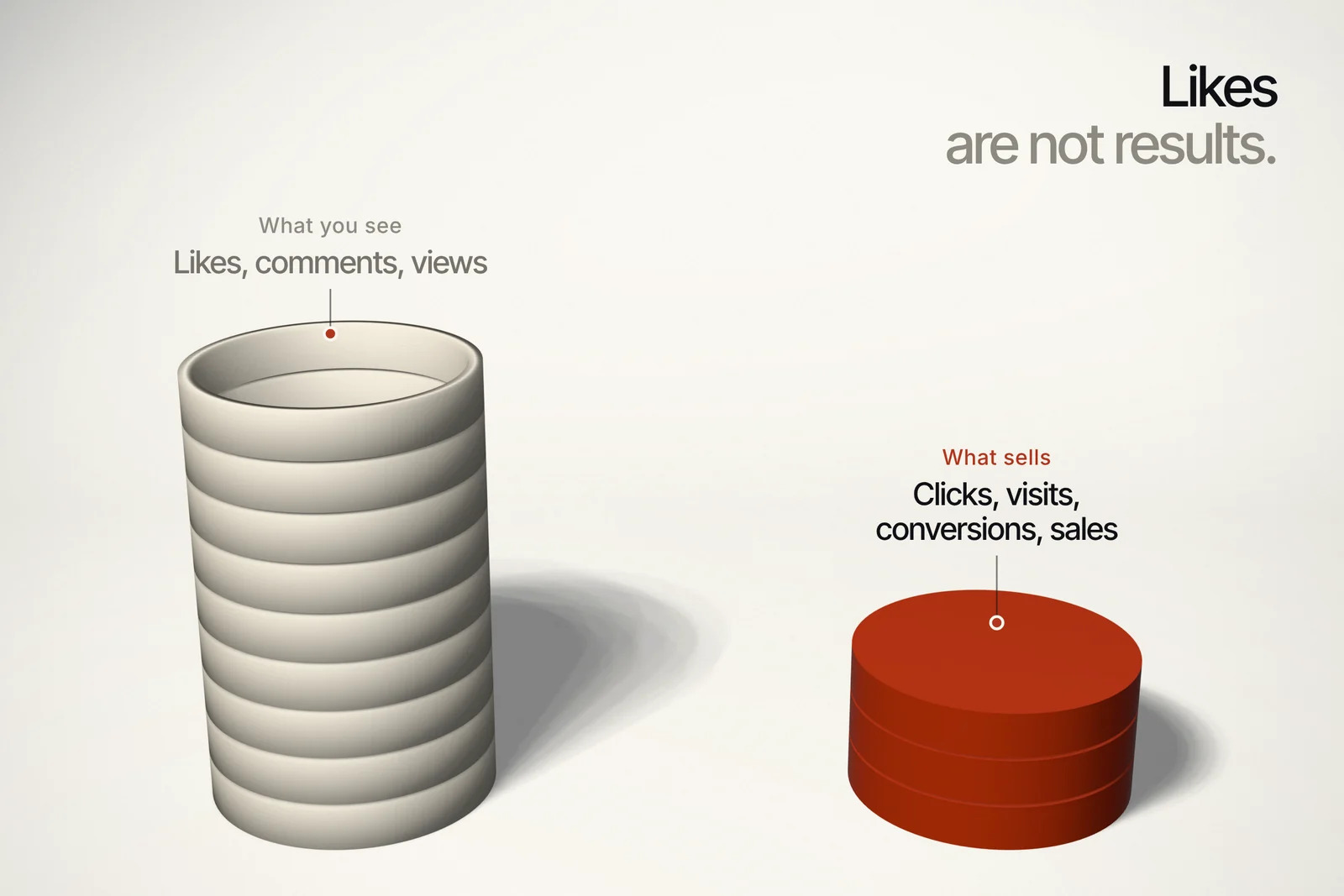
Many brands consider a campaign successful simply because a post received lots of likes, comments or views. However, these visible metrics do not always represent real commercial results.
A piece of content can generate engagement because it entertains or catches the eye, but that does not mean it has created purchase intent. When only surface-level numbers are analysed, you lose the chance to understand whether there were clicks, enquiries, conversions or a genuine impact on the business.
HOW TO AVOID IT
As well as looking at likes and comments, measure clicks, website visits, direct messages, saves, conversions and the quality of the traffic received. Comparing surface metrics with concrete outcomes makes it possible to evaluate real performance more accurately and adjust future campaigns with greater precision.
Failing to Measure Campaign ROI
An influencer campaign without a return-on-investment calculation can look successful and still not be profitable for the business. Many brands invest in creator fees, products sent out, logistics and coordination time without later measuring how much they recovered in sales, contacts or genuine positioning. Without ROI analysis, it is hard to know whether to repeat the strategy, change creators or adjust the investment in future collaborations.
HOW TO AVOID IT
Record every cost linked to the campaign and compare it with the results obtained: direct sales, leads, traffic or new customers. Even when the objective is not an immediate sale, it is worth assigning clear indicators to understand the return generated.
When the Influencer Doesn’t Follow the Brief
When the influencer does not follow the brief provided by the brand, the content can drift away from the core message and lose effectiveness. This happens when important product benefits are left out, the wrong tone is used or the information presented is incomplete.
Even if the content looks good, if the commercial message is unclear or does not represent the brand correctly, the campaign loses coherence and may deliver weaker results than expected.
HOW TO AVOID IT
The brief should be clear, concise and specific. Include objectives, tone, mandatory concepts, visual examples, words to mention and mistakes to avoid. It is also worth reviewing the content before publication to correct any deviations without affecting its natural feel.
Missing Deadlines
Missed deadlines are a frequent cause of failure in influencer campaigns, especially when the activation is part of a wider commercial strategy. If a post goes live late, it can coincide with expired promotions, commercial dates that have already passed or launches that have lost momentum. Delays also complicate other related marketing activities and create operational disorder, affecting the campaign’s overall performance.
HOW TO AVOID IT
Set delivery, review, correction and publication dates from the start. Everything should be agreed in writing and confirmed before work begins. It is also advisable to leave some margin to deal with unforeseen issues without compromising the main schedule.
Poor-Quality Content
Not every creator produces content with the visual or narrative standard a brand needs to convey trust. A poorly lit image, a video without careful editing or an unclear explanation can affect how the product is perceived. On social media, where users decide within seconds whether to pay attention, content quality directly influences credibility and the chance of generating genuine interest.
HOW TO AVOID IT
Before hiring, review complete previous posts, not just highlighted pieces. Look at visual quality, clarity of message, editing, tone and consistency. Asking for recent examples helps confirm whether the influencer’s current style matches what you expect.
Failing to Respond Promptly to Engagement
When an influencer campaign works, it usually generates questions, comments, private messages and requests for information within a short time. If the brand does not respond quickly, many commercial opportunities are lost.
Digital users expect immediate attention and may lose interest if they do not receive a reply. A good campaign can open many conversations, but without active commercial follow-up, its impact fades quickly.
HOW TO AVOID IT
Organise active customer attention during the hours after each post. Assign someone to answer messages, comments and frequently asked questions. Response speed directly influences conversion and how professional the brand is perceived to be.
Not Having a Solid Influencer Contract
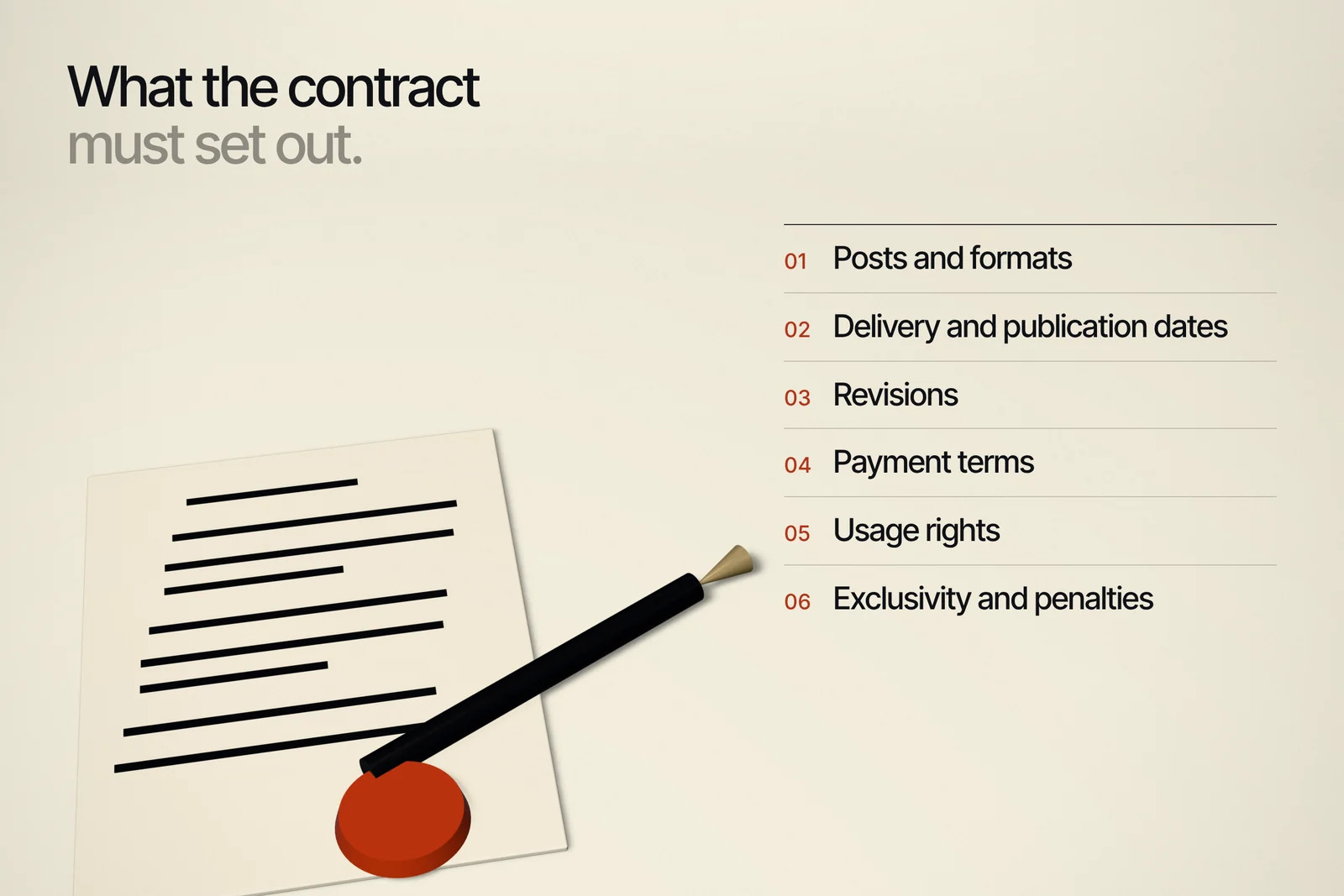
Working without a contract creates uncertainty around key aspects such as deliverables, dates, usage rights, exclusivity, revisions and payment terms. When there is no formal agreement, any disagreement can turn into a dispute. This particularly affects campaigns in which the brand needs to reuse content, enforce deadlines or protect commercial conditions previously discussed informally.
HOW TO AVOID IT
Formalise every collaboration with a simple, clear contract. It should include the number of posts, dates, revisions, payment conditions, content usage rights and possible penalties for non-compliance. This provides security for both parties.
Improve Your Influencer Campaign Management
At FlowFlamingo, we help you plan influencer marketing campaigns with clear objectives, strategic creator selection, performance monitoring and well-defined processes to avoid common mistakes. A well-managed campaign does not just improve performance: it also strengthens the relationship between your brand, the content creator and the audience. If you are looking for real results, a professional strategy can make the difference.